Strongsville Roofing Style Journal
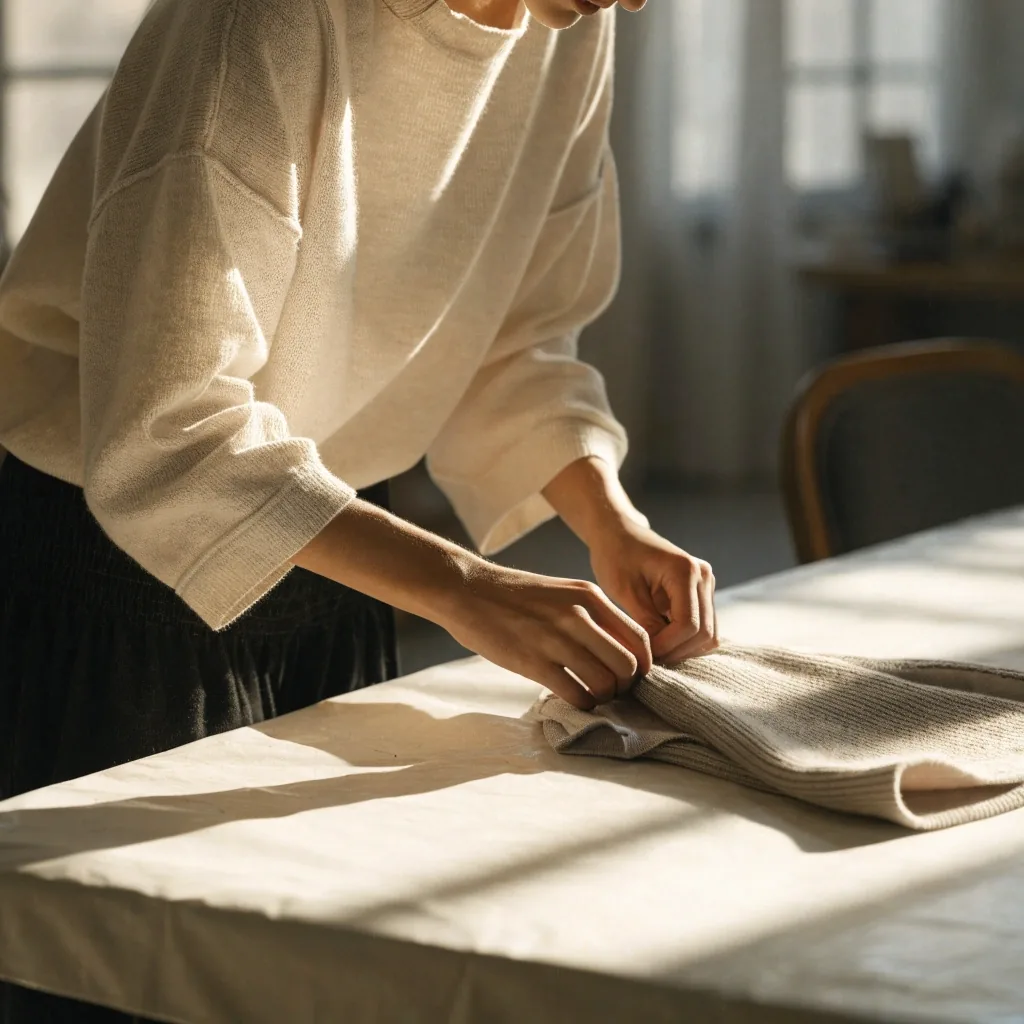
A stylist's hands arranging folded garments on an atelier worktable in daylight

Brand Profiles

Brand profiles that explain the direction

Fashion houses change faster than their reputations do. We cover the signature aesthetics, recent creative directions, and cultural relevance of key labels, so you can tell an evolution from a repeat — and judge what each house is doing now, not what it was famous for a decade ago.

Why brand direction matters more than brand name

A label's name tells you less than its current direction. The same house can produce very different collections depending on who is designing and what the market is rewarding. We track that shift because it changes what the clothes look like, how they fit, and whether they will still feel current in three years.

Proportion

How a house cuts volume across a season — long and lean, wide and dropped, or sharply fitted — is the fastest read on where its taste is heading.

Fabrication

Materials announce intent before a garment moves. Heavy knits and structured wools signal a different house than liquid satins and washed linens.

Styling

How pieces are worn together shows the mood a designer wants — layered and deliberate, stripped back, or dressed up against the grain.

Reading direction is a skill. It means watching proportion, fabrication, and styling across a few seasons instead of reacting to one show. That is the lens we apply to every profile here, and it is why we resist calling a single collection a turning point.

A house that changes its silhouette every season is reacting. One that evolves a signature is building.

Gucci

Gucci and the return of sensual dressing

Gucci's 2026 coverage centered on Demna's debut direction for the house, described as leaning into sensual, Tom Ford-era cues. That is a meaningful pivot for a brand that spent years in maximalist territory. The new era pulls toward sharper tailoring, more deliberate skin, and a mood that reads as confident rather than loud.

For readers, the takeaway is not a shopping list. It is that Gucci is reframing what sensual dressing looks like in 2026, and that reframing tends to influence broader luxury taste within a season or two. Watch how the tailoring shoulders and the evening pieces travel from runway to editorial before you decide the direction has settled.

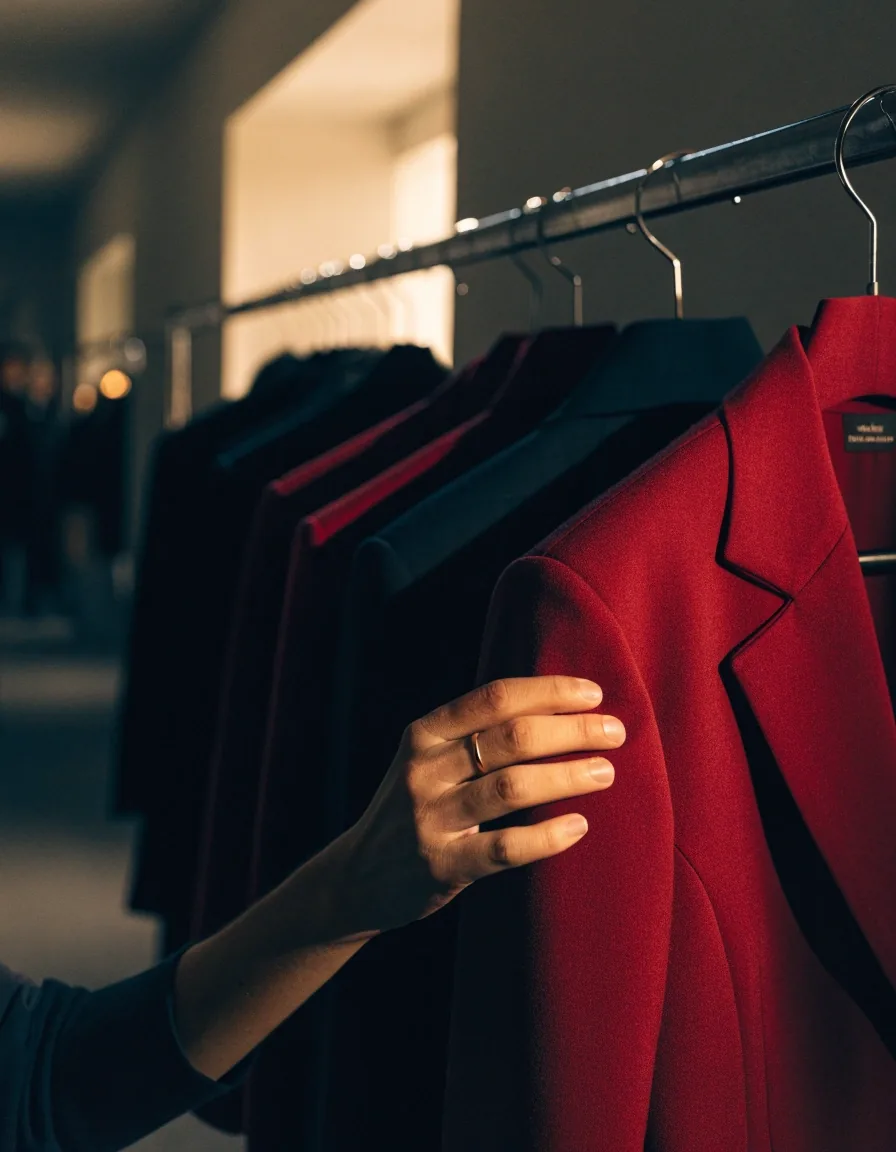
Tailored jackets on a backstage rail before a runway show

Sharp tailoring and evening pieces read differently once you track them across two or three seasons, not one show.

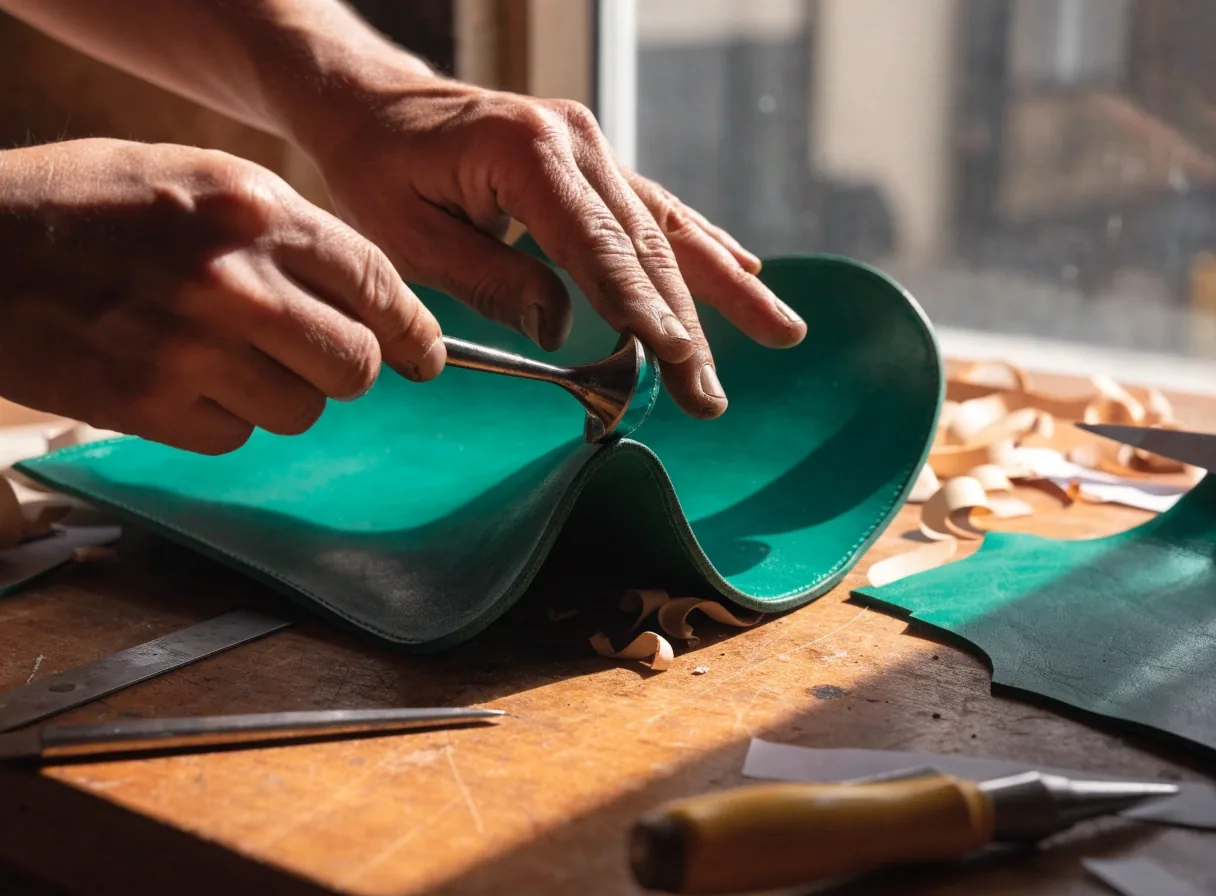
Hands burnishing the edge of a sculptural leather bag panel on a workshop bench

Loewe

Loewe and craft without losing authority

Loewe is a Spanish house known for craft-heavy, playful luxury, and 2026 coverage highlighted a colorful, experimental debut direction. The combination is unusual: strong color and sculptural shapes, built on craft rather than novelty. Editors keep returning to it because it manages to feel playful without feeling unserious.

That balance is hard to pull off. Loewe's shapes are bold enough to read on a runway and structured enough to hold up as real garments, which makes it a useful reference for anyone curious about how luxury stays experimental without becoming costume.
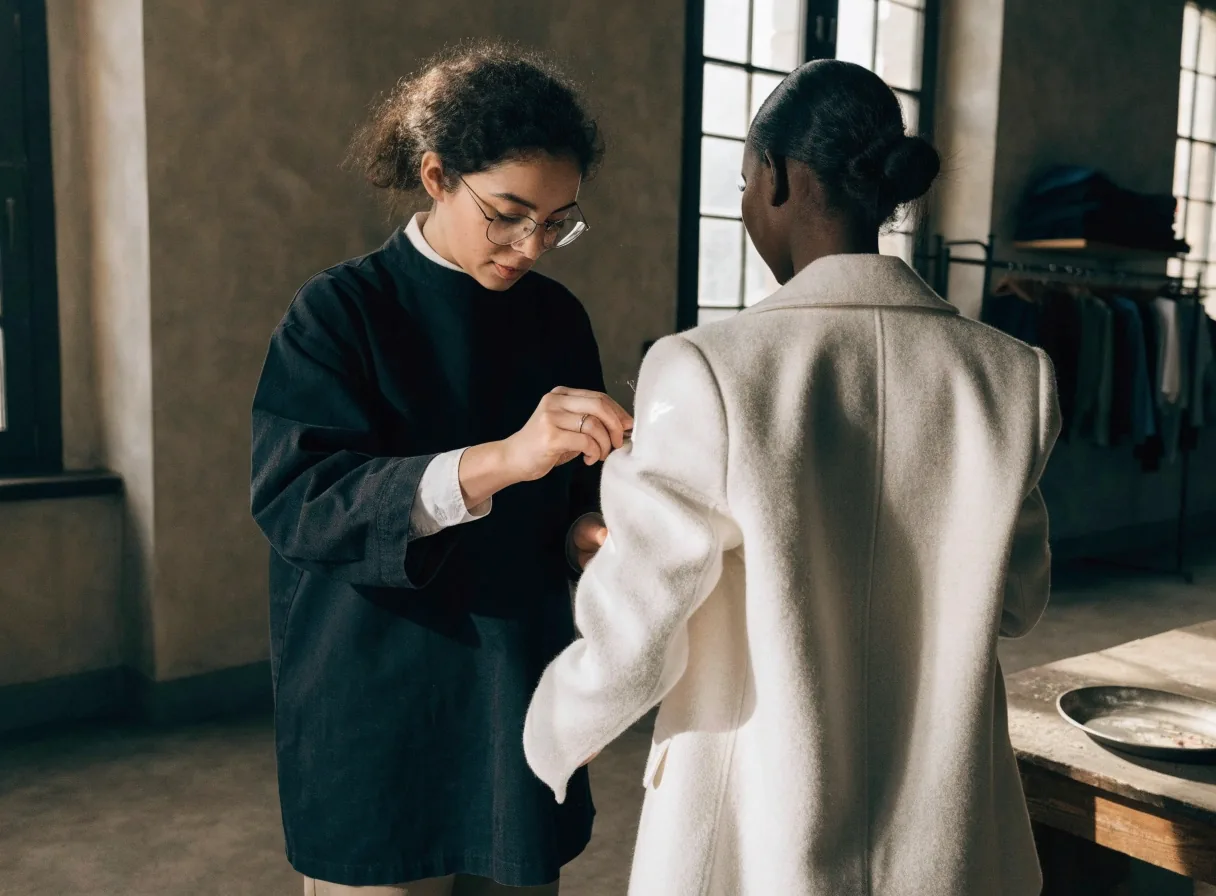
A tailor pinning the shoulder of an unstructured wool jacket during a fitting

Zegna

Zegna and tailoring that loosened up

Zegna has a strong tailoring heritage and a global retail presence, and recent reporting noted Americas and China growth. What matters stylistically is the direction of the tailoring: softer construction, more relaxed drape, still polished. That shift has changed how modern suiting reads, and it has pushed knitwear and separates into spaces that used to demand a full suit.

For menswear, Zegna is often cited in business coverage as well as style reporting, which is a sign of how closely the brand's commercial health tracks its design choices. When a house is that closely watched, a quiet change in shoulder line reaches the high street faster than a loud one.

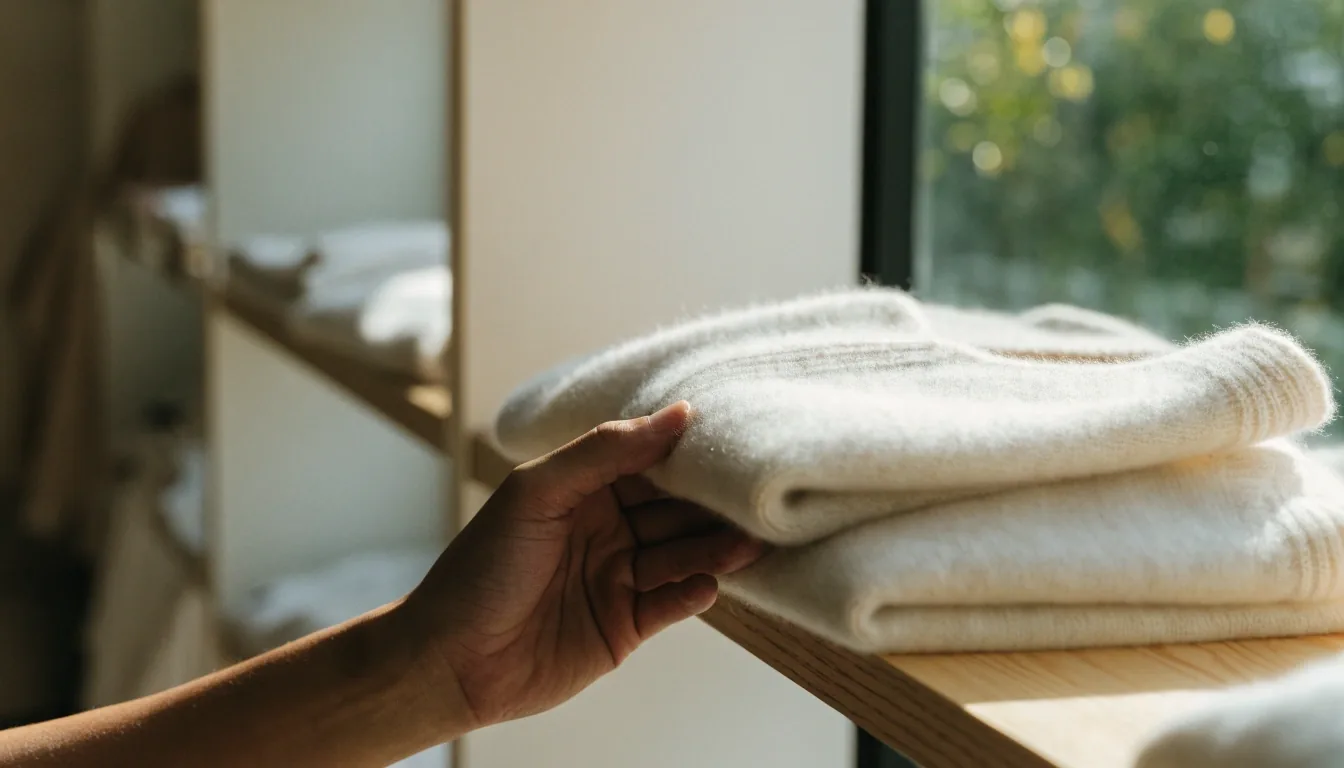
A customer's hand lifting a folded cashmere cardigan from boutique shelving

Brunello Cucinelli

Brunello Cucinelli and understated luxury's reach

Brunello Cucinelli is an Italian luxury brand associated with understated, refined dressing, and it is frequently tied to quiet luxury and elevated casualwear. In 2026, coverage noted a first Tennessee boutique, which is a notable signal: understated luxury is expanding into U.S. markets beyond the traditional coastal centers.

The brand's relevance is less about novelty and more about consistency. It is a reference point for how quiet luxury behaves when it grows, and what that growth says about American taste — particularly in cities where knitwear and relaxed tailoring now outrank logo pieces.

What stays

Neutral tones, soft shoulder, and knitwear that carries a whole outfit without a jacket.

What shifts

Where the house opens stores, and which pieces it leads with in new markets.

Why it reads

Quiet luxury is judged on fabric and fit at close range, not on a runway moment.

Dolce & Gabbana

Dolce & Gabbana and '90s glamour

Dolce & Gabbana is known for high-drama glamour and vintage references, and 2026 celebrity coverage linked the brand to a revived '90s styling mood. The house still carries an ornate, body-conscious fashion language, and that language fits neatly with the current appetite for red-carpet drama.

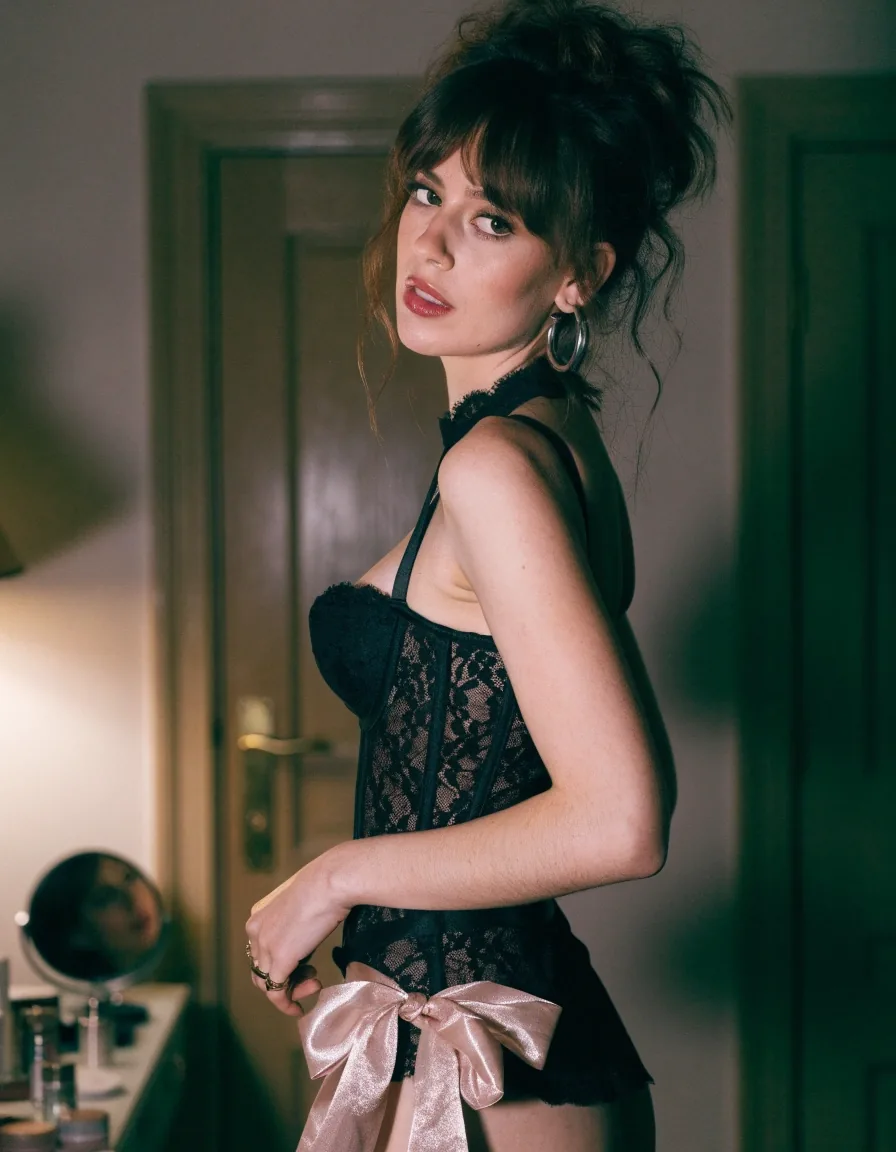
The '90s resurgence is not only a nostalgia play. It is a styling mood that changes how pieces are worn: more deliberate, more body-conscious, more confident. Dolce & Gabbana sits at the center of that, and the mood shows up in corsetry, sharp black evening looks, and a return of ornate accessories on the red carpet.

Uniqlo

Uniqlo and the case for basics

Uniqlo is a global basics brand with large U.S. ambitions, and recent coverage discussed its American expansion push. Stylistically, it is the opposite of a runway house, and that is the point. It is a key reference for practical wardrobe building, where the questions are about fabric, fit, and how long a piece lasts. Luxury and basics are not in competition here — they answer different questions, and a wardrobe usually needs both.

A woman in a structured black evening gown adjusting a shoulder detail before photographers

Ornate evening dressing reads as a styling mood, not a single season of nostalgia.

Reading a house's trajectory

The most useful way to follow a brand is to watch two or three seasons and look for what stays consistent. We keep profiles focused on that trajectory rather than a single collection, because a single collection rarely tells you where a house is going.

Gucci's pivot and Loewe's experimental direction are both legible when you track them over time — the same way Zegna's softer tailoring and Cucinelli's steady neutral palette become clear only in sequence.

Gucci

Sharp tailoring and deliberate evening skin — a pivot away from maximalism, still settling.

Loewe

Color and sculpture anchored in craft — experimental, but built to wear.

Zegna

Softer construction and relaxed drape, with knitwear taking ground from full suiting.

Brunello Cucinelli

Consistency over novelty — quiet luxury judged on fabric and fit at close range.

Dolce & Gabbana

Ornate, body-conscious glamour riding the '90s styling mood.

Questions readers send us about brand profiles

How do you choose which houses to profile?

We look for labels whose direction is legible across more than one season and whose choices reach beyond their own stores — either by changing how a category is cut, or by shifting what editors and buyers pay attention to. A house with one loud collection and no throughline does not earn a profile yet.

Do you cover new designers as well as established houses?

Both, though the bar is the same. A debut direction at an established house is worth covering when it clearly reframes what the label is known for, as with Gucci's recent pivot. A newer label earns a profile when we can point to two or three seasons of consistent choices rather than one striking show.

Why include a basics brand alongside luxury labels?

Because most wardrobes are built from both. Uniqlo answers questions about fabric, fit, and durability that a runway house rarely addresses, and it is expanding across the U.S. for the same reason readers care about it. Understanding a basics label makes it easier to see what the luxury labels are actually offering on top.

Do these profiles recommend what to buy?

No. This is an editorial resource, not a shop. We describe direction, materials, and context so you can judge for yourself. If you want help assembling pieces you already own or plan to own, our wardrobe guides are the better place to start.

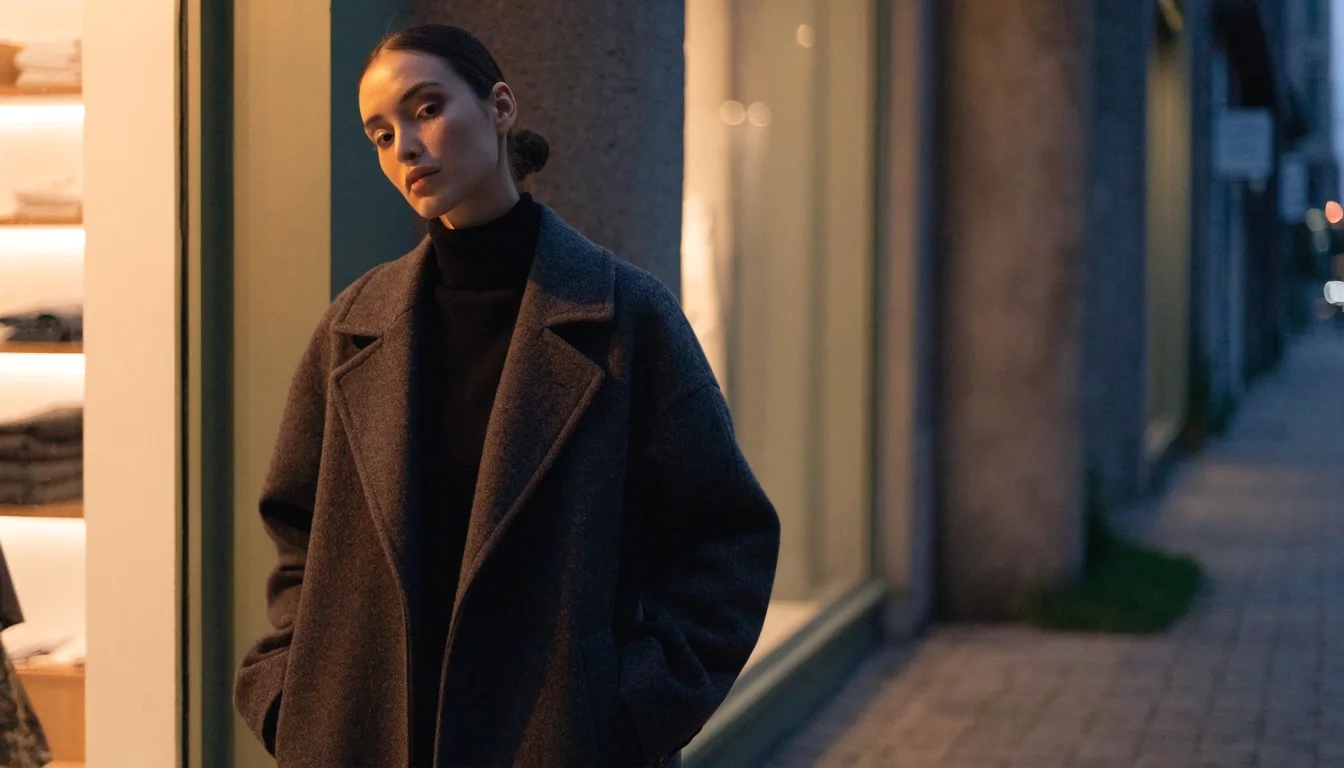
A woman walking in a charcoal wool coat past softly lit storefronts in the evening

Where to go next

Profiles explain direction. If you want to see how a season is actually moving, the trend reports follow the same houses week by week. If you are rebuilding a wardrobe around what you already own, the guides are more practical. And if a label you follow deserves a closer look, tell us.

Editorial questions and profile suggestions reach us at [email protected] or +1-212-555-0198, Monday–Friday, 9:00 AM – 6:00 PM.

Contact the editors