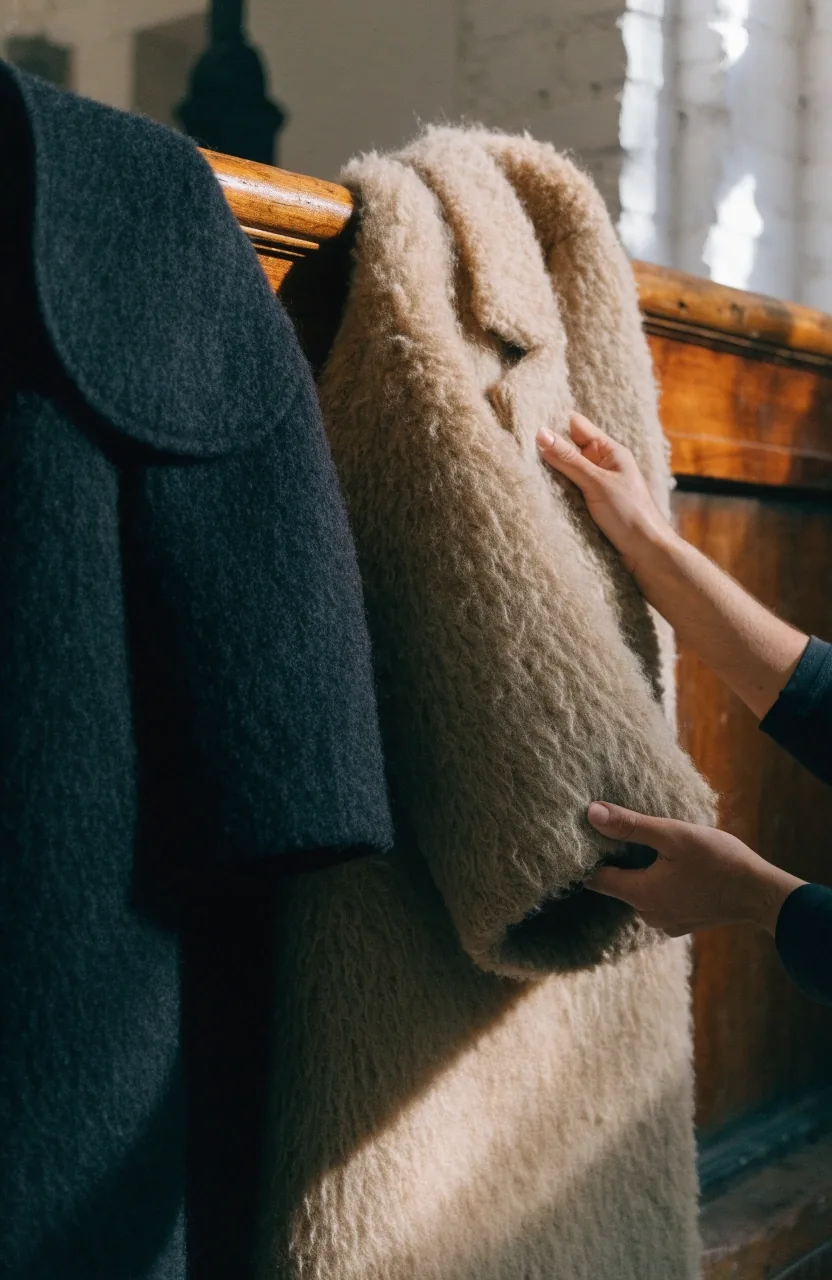
Trend reports for the current season
This page summarizes what's moving on runways and in street style, with an eye on what actually transfers to daily dressing. We cover tailoring, texture, color, and outerwear as movements rather than one-off looks, and we flag the difference between editorial ideas and wearable ones.
How we decide a trend is real
Across designers
A single runway look isn't a trend. We look for the same idea arriving at more than one house in the same season, not one stylist's choice repeated in coverage.
Across categories
A shift earns a section when it shows up in more than one part of the wardrobe. Color is the clearest example: a shade appearing in tailoring and outerwear across several houses says more than one collection's styling.
On real streets
Street style is the reality check. When an idea starts appearing on real people in ordinary settings, it has moved past the runway. We apply that filter before writing anything up, which is why some heavily covered runway moments don't get a section here, and why quieter shifts sometimes do.
Four movements carrying the season
Each one is read the same way: what changed, where it came from, and whether it survives contact with a normal week.
Tailoring keeps softening
Softer construction, relaxed shoulders, an open drape, and a blurred line between a suit and separates.
Tailoring and menswear
Texture over color
Layering by surface rather than shade, with rough over smooth and matte against a low sheen.
Knitwear and layering
Color in two registers
A muted, refined family running beside a bolder one used sculpturally as a single block of color.
Color and outerwear
Outerwear leads the silhouette
Longer coats, more volume through the body, and deliberate proportion at the shoulder.
Coats and proportion
A trend is a pattern you can wear, not a look you have to copy.
That standard decides what gets a section here and what stays a passing runway moment.
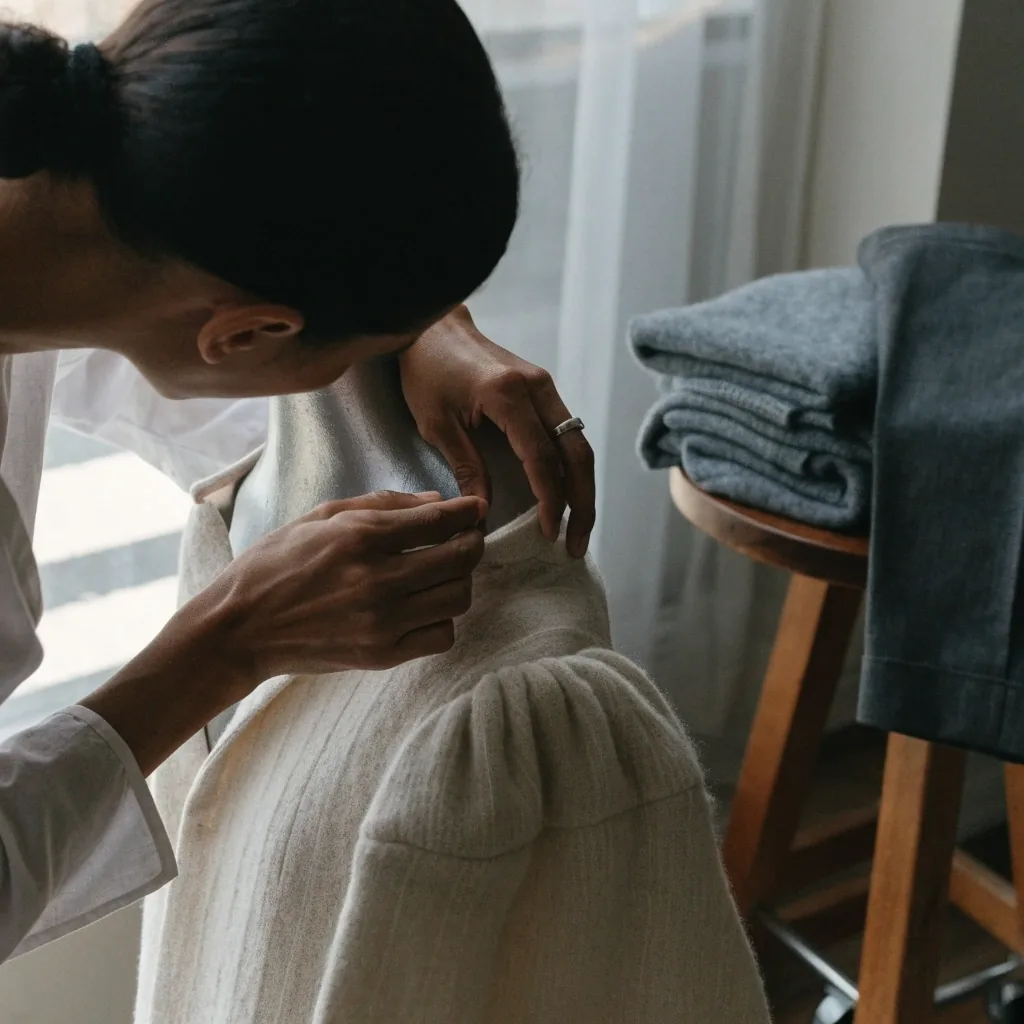
Tailoring keeps softening
The most consistent movement in current tailoring is softer construction. Shoulders have relaxed, drape has opened up, and the line between a suit and separates has blurred. Zegna's recent direction is a clear reference point, and the shift has reached menswear broadly.
For readers, this changes how a suit is worn. A softer jacket works over knitwear, over a tee, over a shirt without a tie. That flexibility is the practical value of the trend: you get more outfits from one jacket, and fewer reasons to keep a formal suit for special occasions only.
What to check in a softer jacket
- The shoulder line should follow yours without a hard, built-up edge.
- Lift an arm: the chest and back should open without pulling at the buttons.
- Check the lining weight — a light lining is what lets it layer over a knit.
- Hold it next to a plain tee. If it reads well there, it will read well over a shirt.
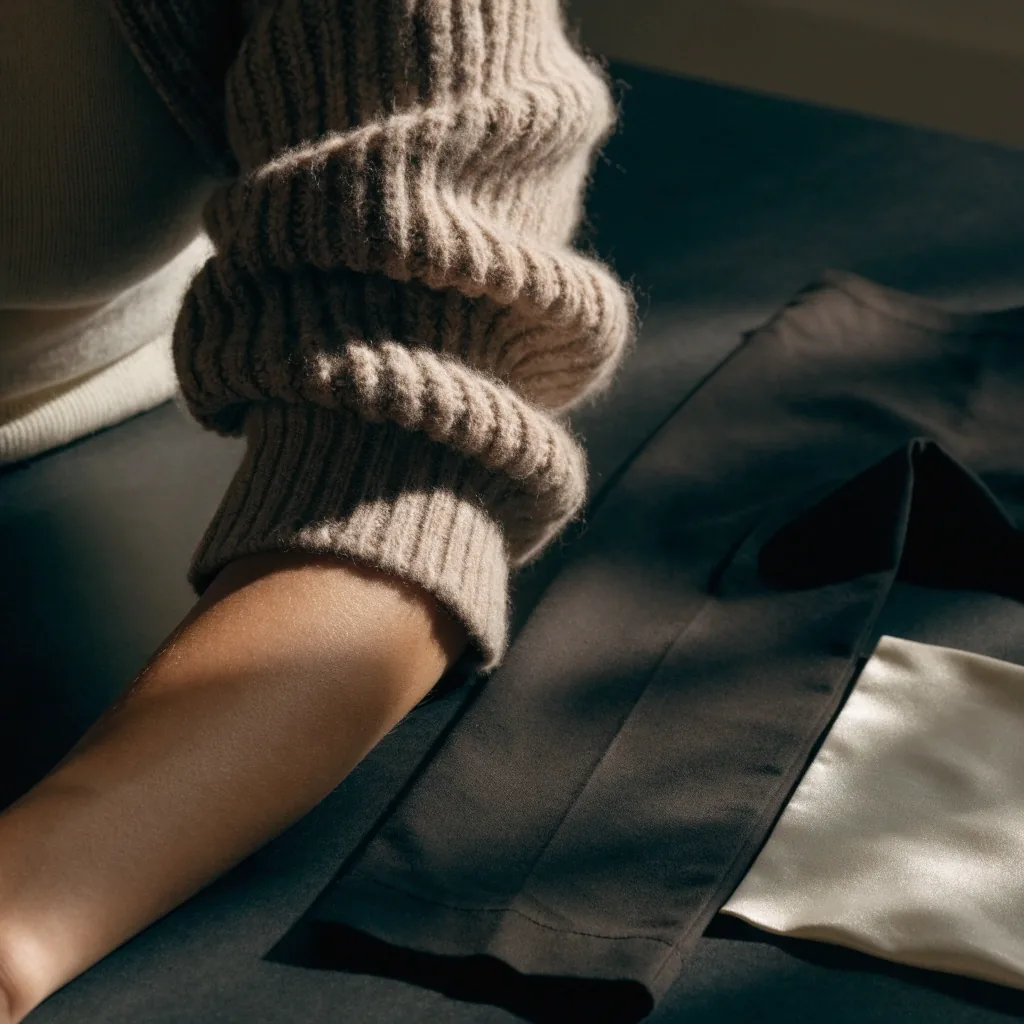
Texture is doing the work color used to do
Layering has moved toward texture as the primary tool. Instead of stacking colors, designers are combining surfaces: a smooth knit under a rougher outer layer, or a matte trouser against a sheen. It reads as more considered than a color-blocked outfit and it's easier to get right.
This is also the most transferable trend of the season. Most wardrobes already have the pieces; the change is in how they're combined. Pick two surfaces that clearly differ — one rough, one smooth — and let the contrast do the styling. If a combination feels flat, it usually means the two surfaces are too similar, not that the colors are wrong.
Color keeps showing up in two registers
Color is split right now. One register is muted and refined, with shades that read as understated even when they're not neutral. The other is bolder, with strong color used sculpturally, as in Loewe's recent direction. Both are current, and both appear across tailoring and outerwear.
The muted register
Shades that sit quietly next to what you already own — deep browns, softened greens, greys with a little warmth. A coat or a trouser in this register slots into an existing wardrobe with very little effort, which is why it tends to hold its place for more than one season.
The bold register
Strong color treated as a single sculptural block: one saturated coat, one vivid knit, nothing competing with it. It works best when the rest of the outfit is deliberately plain, so the color is the only decision you make that morning.
The useful question isn't which one is correct. It's which register fits how you actually dress, and whether a piece in that color works with what you already own. Buy the color you will reach for on an ordinary Tuesday, not the one that photographs well in a show review.
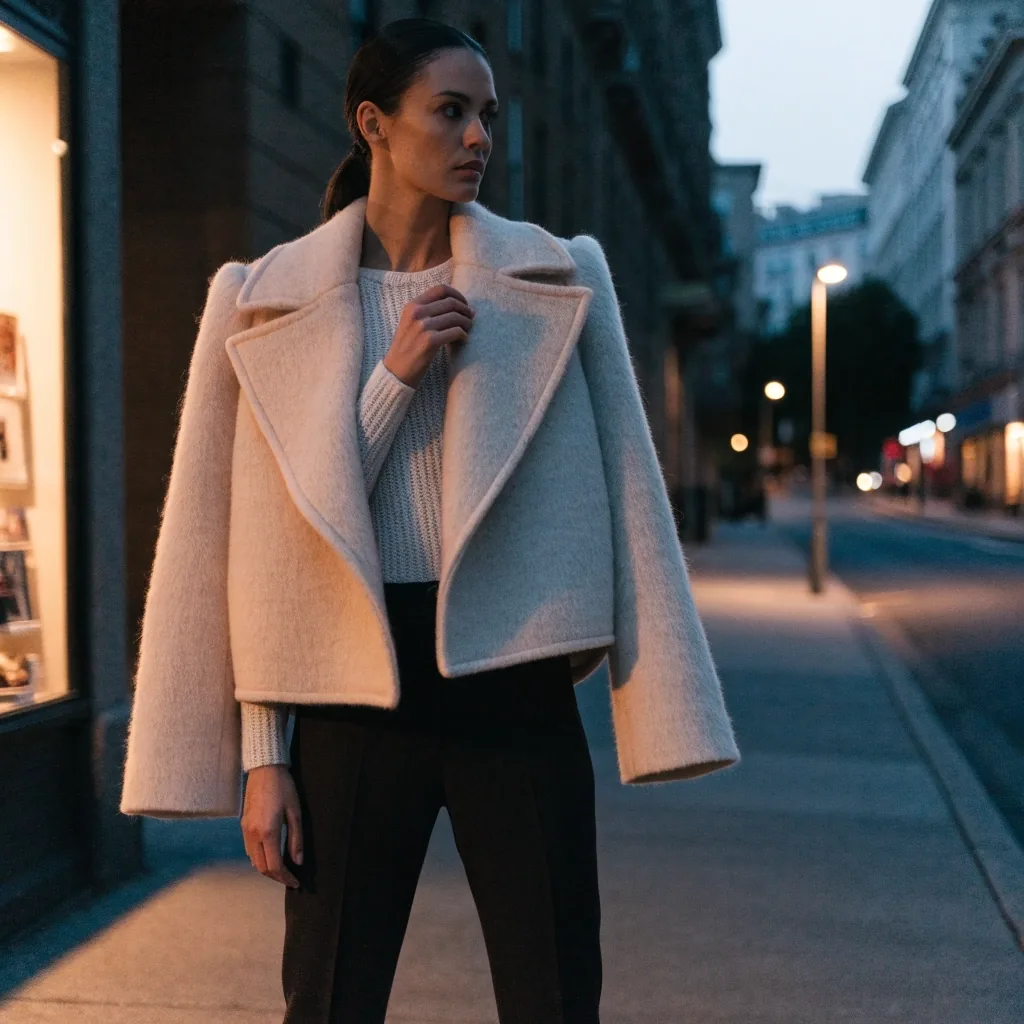
Outerwear leads the silhouette
Outerwear is where silhouette changes are most visible. Longer coats, more volume through the body, and deliberate proportion at the shoulder are all in play. Because outerwear is worn over everything, a shift here resets how the rest of an outfit reads.
That makes a coat one of the highest-leverage purchases in a wardrobe. It sets proportion for the season and it's visible more often than almost anything else you own. Try it over your heaviest knit before deciding: the coat has to close comfortably over the layer you actually wear, not the one you wear in a fitting room.
Street style and the runway gap
Runway ideas reach the street unevenly. Some translate within weeks, others never arrive. The gap is usually explained by practicality: volume that works in a show photo can be difficult in daily life, and color that reads on a runway can feel like too much in an office.
Travels fast
Softer tailoring, longer coat lengths, and texture-led layering show up on streets and in shops quickly. They ask little of the wearer, so they survive the trip from a runway image to a commute.
Travels slowly
Extreme volume, sculptural shapes, and full saturated looks stay closer to editorial use. They photograph beautifully and ask for a setting most days don't provide — which is exactly why we note them and move on.
We track street style as a reality check. When a runway idea starts appearing on real people in real settings, it's a sign the trend has legs. When it stays inside show coverage for a whole season, that's useful information too.
Celebrity dressing as an early signal
Celebrity style moves faster than retail, which makes it a useful early indicator. Vogue's daily coverage tracks celebrity looks alongside runway reporting, and the overlap is where practical takeaways tend to live. The recent '90s styling mood, linked to Dolce & Gabbana in 2026 celebrity coverage, is a good example of a runway idea arriving through red-carpet dressing first.
The trick is separating a moment from a movement. One striking look is a moment. The same styling idea across several events is a movement.
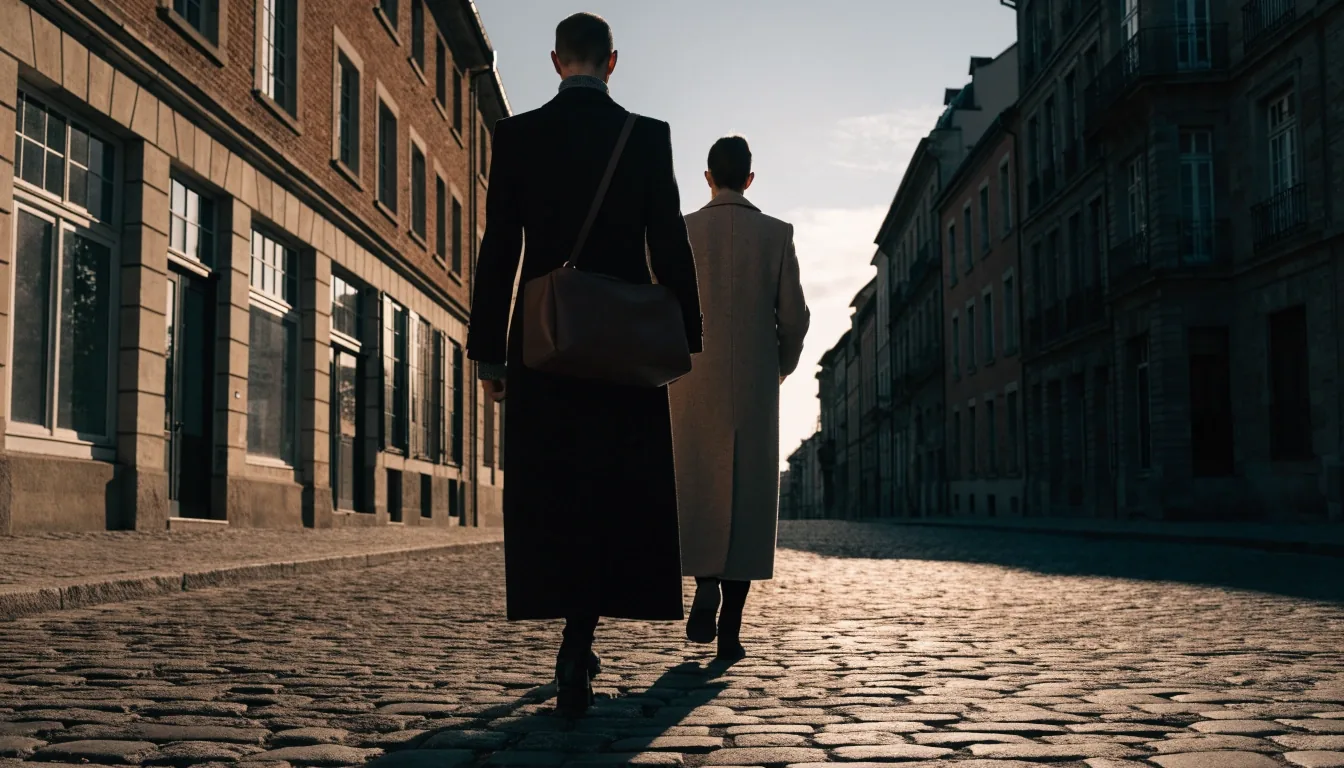
A styling idea that keeps showing up on ordinary streets, not just on carpet coverage, is the one worth watching.
What to do with a trend report
Read it as context
The point is to know what's current so you can decide what to ignore. A report tells you where the season is heading; it doesn't tell you what to add to a cart.
Build on proportion
A wardrobe that absorbs trends is built on proportion and fabric, not on buying the season's headline piece. A well-cut coat and a jacket that fits will keep working after the headline moves on.
Treat mismatch as data
If a trend doesn't fit how you dress, that's useful information, not a gap to fix. Skipping a season's loudest idea is a legitimate outcome of reading a trend report.
Where to go next
Each of these picks up a different part of the season, from the houses behind the movements to what a piece holds over time.
- Read the brand profiles The houses behind this season's direction, and what each one is known for.
- Get practical wardrobe guidance How to turn these movements into outfits you already have.
- Understand resale value What holds up after the season ends, and what tends to fade.
- Send us a trend tip Spotted a shift we haven't covered? Tell us where and when you saw it.
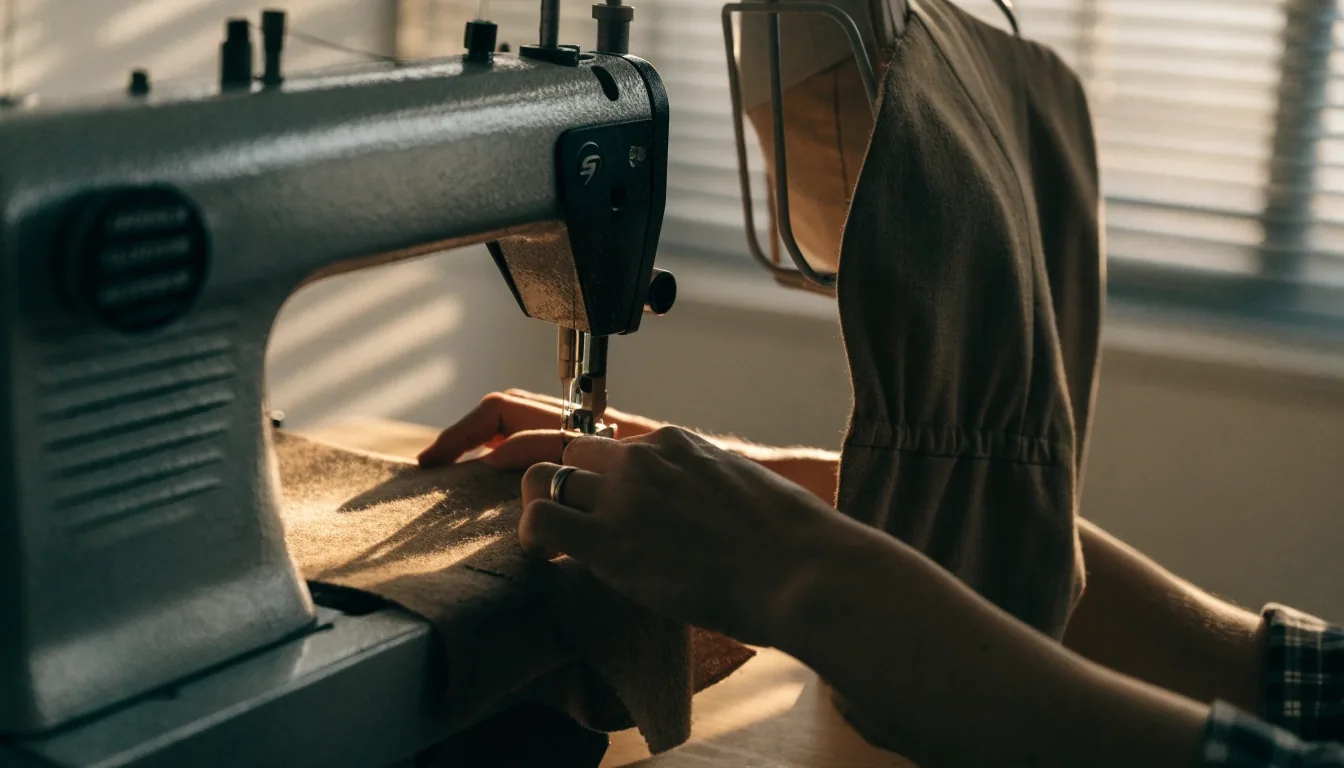
The season moves on. Your wardrobe doesn't have to keep up with all of it.
Take what fits how you dress and leave the rest. If you want the next round of movement notes as the season turns, get in touch and we'll point you to the right pages.
Strongsville Roofing — 452 W Broadway, New York, NY 10012 · Monday–Friday, 9:00 AM – 6:00 PM