How luxury resale works and what it means for value
Secondhand luxury has moved into the mainstream style cycle, and it changes how a piece behaves over time. Here is how the resale market works, what drives value and authenticity, and where sustainability honestly fits in.
Why resale became mainstream
Resale used to be a niche for collectors and a stop for people hunting one specific piece. It is now part of how luxury circulates. The RealReal reopening its redesigned flagship in Union Square in 2026 is one marker of how established the segment has become. When a resale platform invests in a flagship store, secondhand stops being a side channel.
That shift reaches ordinary buyers. A coat, a bag, or a pair of boots you buy today has a visible second life, and buyers increasingly ask what a piece will be worth to someone else before they commit. That question changes the economics of a purchase in ways that were not true a decade ago, when the only realistic exit was a consignment shop or a family member.
It also changes how brands are read. A house whose pieces keep circulating stays visible in the secondhand market long after a campaign ends, and that staying power feeds back into how people judge the label the next time they walk past a window.
Demand is the engine. Rarity only helps once demand already exists.
A scarce piece from a house nobody is currently watching can sit unsold for months, while a common piece from a house in a strong moment moves in days. Price follows attention, not the other way around.
What actually drives resale value
Four things move a price more than anything else. None of them are about how much you paid at the counter, and only one of them is about how rare the piece is.
Brand demand
A well-known house with steady demand holds value far better than a label that spikes for a season and fades. Look at what keeps selling, not what sold once.
Condition
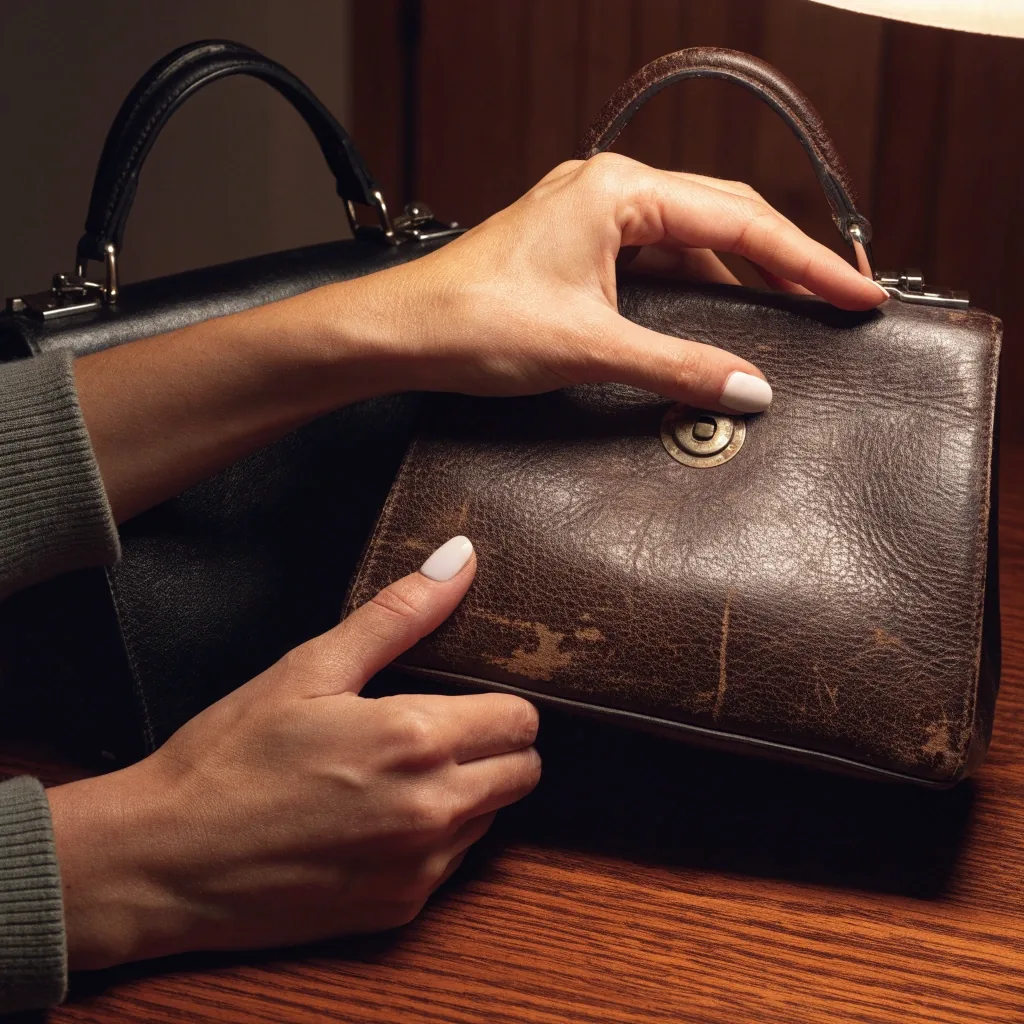
Condition moves a price more than most sellers expect. A small flaw in a visible place can shift an asking price well beyond the cost of the repair itself.
Rarity
Rarity is the trickiest of the four. It only lifts a price when buyers are already looking, which is why a rare piece can sit unsold while a common one sells out.
How identifiable it is
A silhouette people recognize from across a room is easier to price and easier to resell. Pieces that read as generic are harder to move at any price.
Authenticity and how to approach it
Authenticity is the biggest risk in secondhand luxury, and there is no shortcut around careful checking. Reputable platforms authenticate pieces before they list them, but buyers still benefit from knowing the details that matter.
Stitching and construction
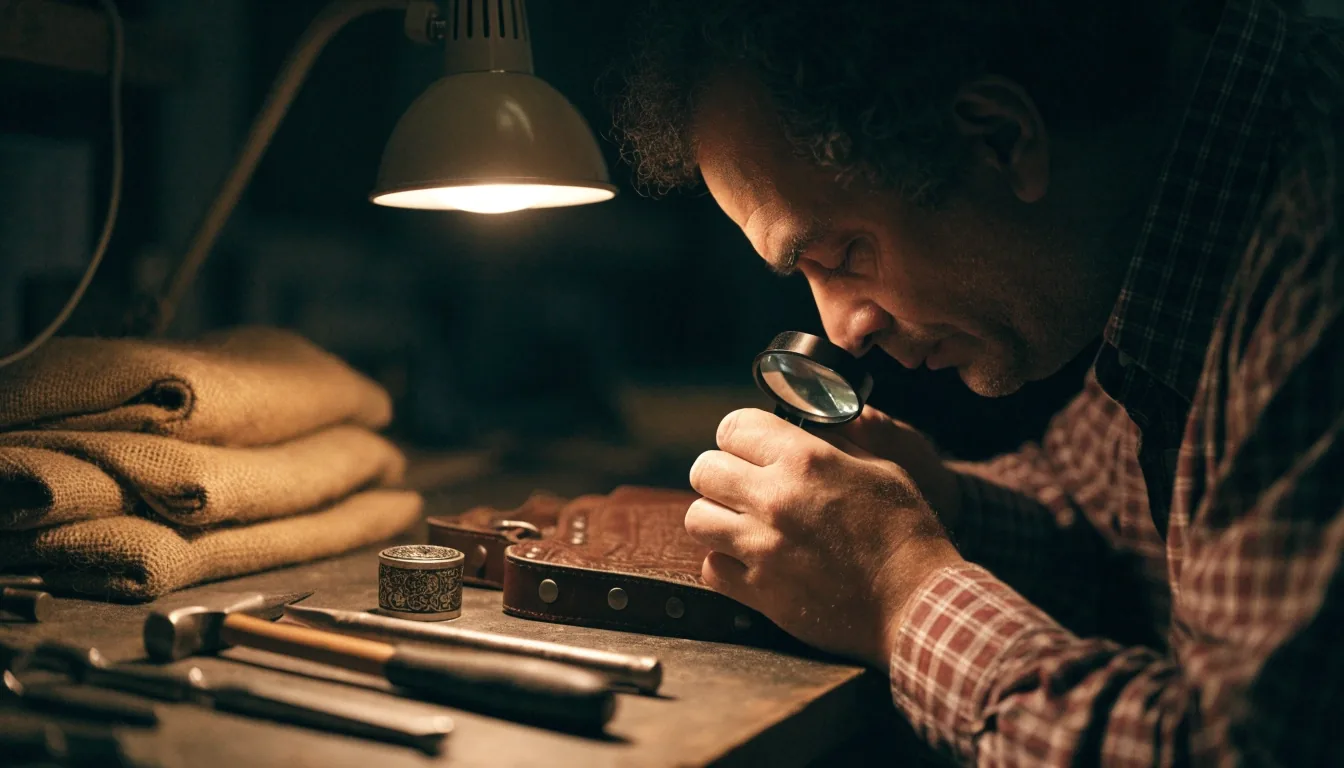
Stitch density, edge finishing, and how a seam is pressed vary by house and by era. Those habits are often the clearest signal of origin.
Hardware and labeling
Weight, finish, engraving, and where a label sits all shift between production runs. Learn the version you are actually buying, not the one you saw online.
Sources and returns
Buy from sources with a clear authentication process and a return window you can live with. Learn the markers for the two or three brands you actually wear rather than trying to master all of them.
Condition grades and what they mean

Condition grades describe wear, not quality. A piece listed as showing light wear can still be in excellent structural shape, while a piece with a small stain can be graded lower than its overall usefulness suggests. The label is a starting point; the description is the real information.
The useful question for a buyer is narrow: does this flaw change how the piece wears? If it does not, the grade is mostly a negotiating detail. If it does, treat the repair cost as part of the price before you decide.
The sustainability angle, without the spin
Resale keeps clothing in use, and that is a real environmental benefit compared to buying new. Wearing a garment for more years and passing it on reduces demand for new production. That is the honest version of the case, and it does not need to be exaggerated to hold up.
What resale does not do is solve fashion's broader footprint on its own. It is one part of how people buy, and treating it as a complete answer oversells what a secondhand purchase can carry. Shipping, returns, and the volume of pieces in circulation all still matter.
What to keep in view
Longer wear is the part that counts. A piece bought secondhand and worn for a decade does more than one bought new and retired after two seasons, whatever the label says about it.
Buying resale as a strategy
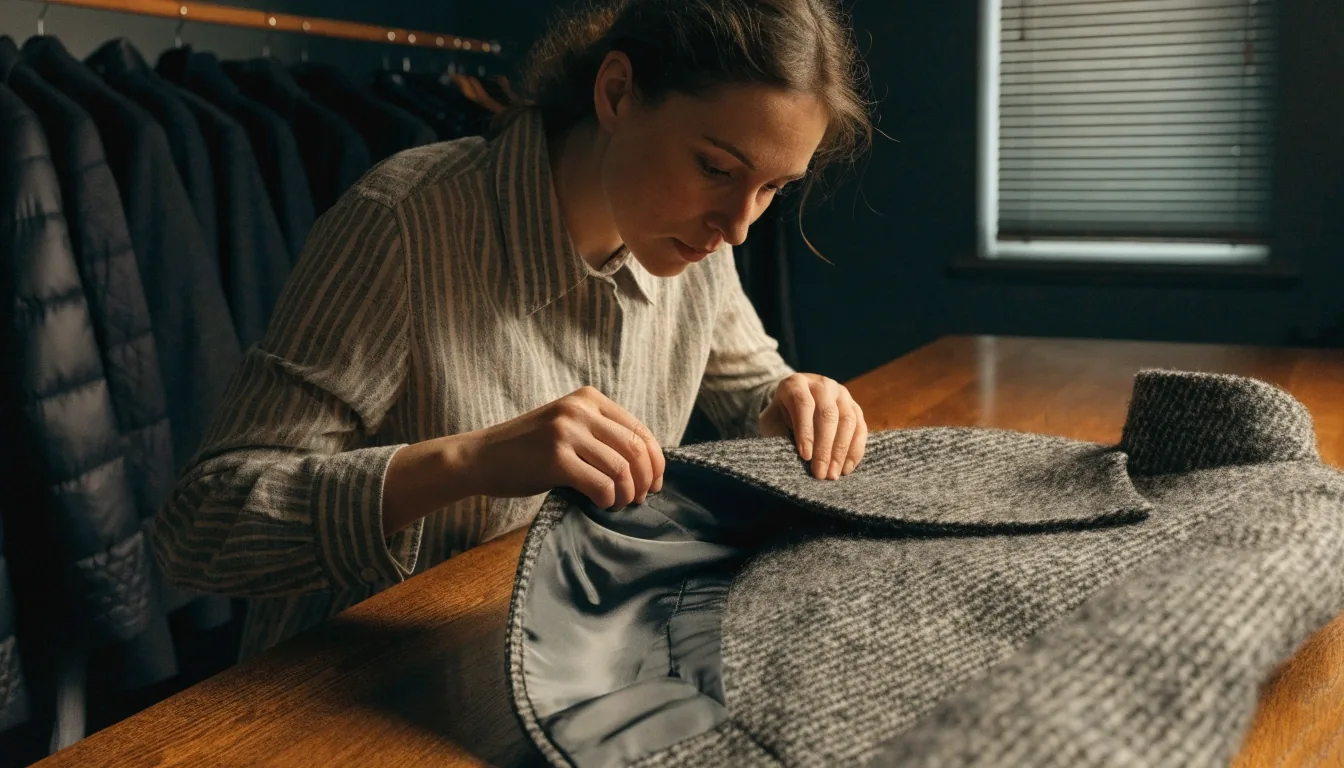
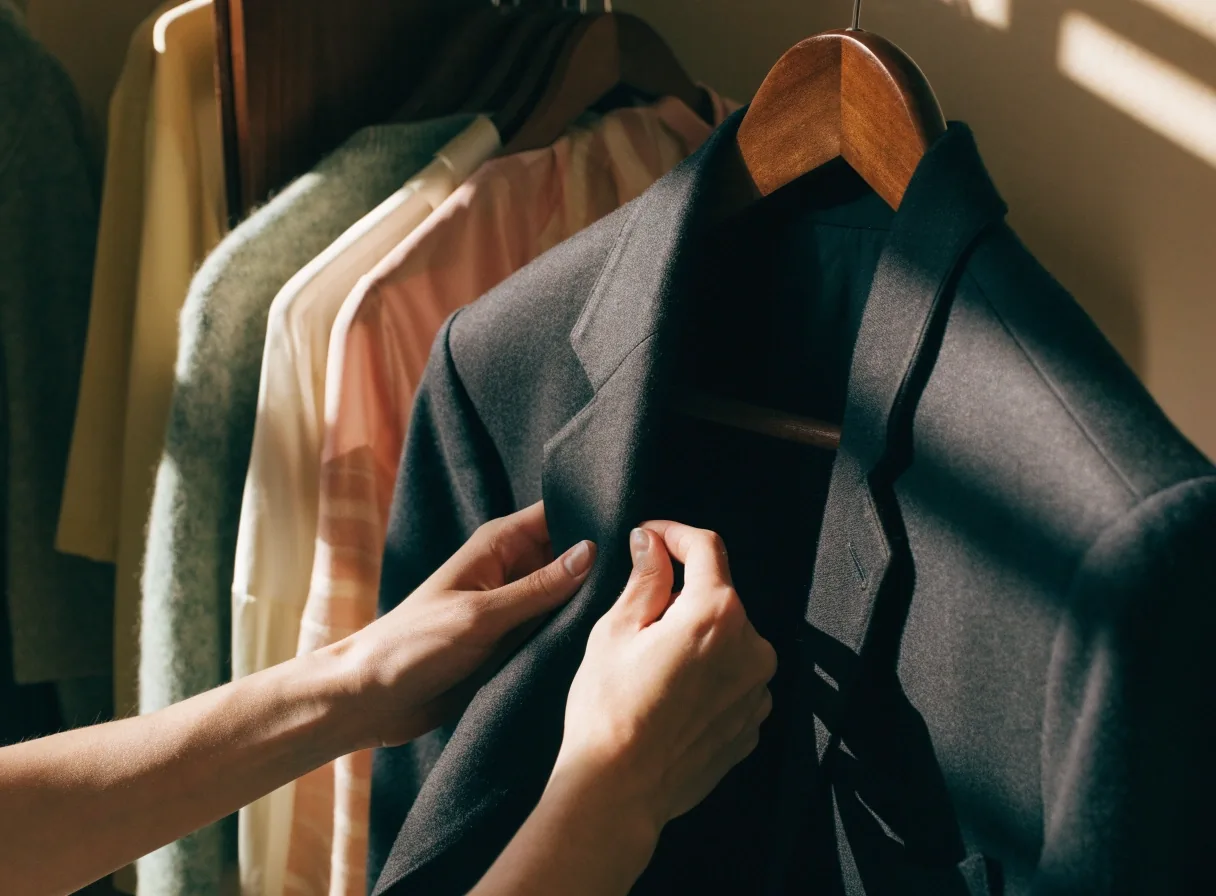
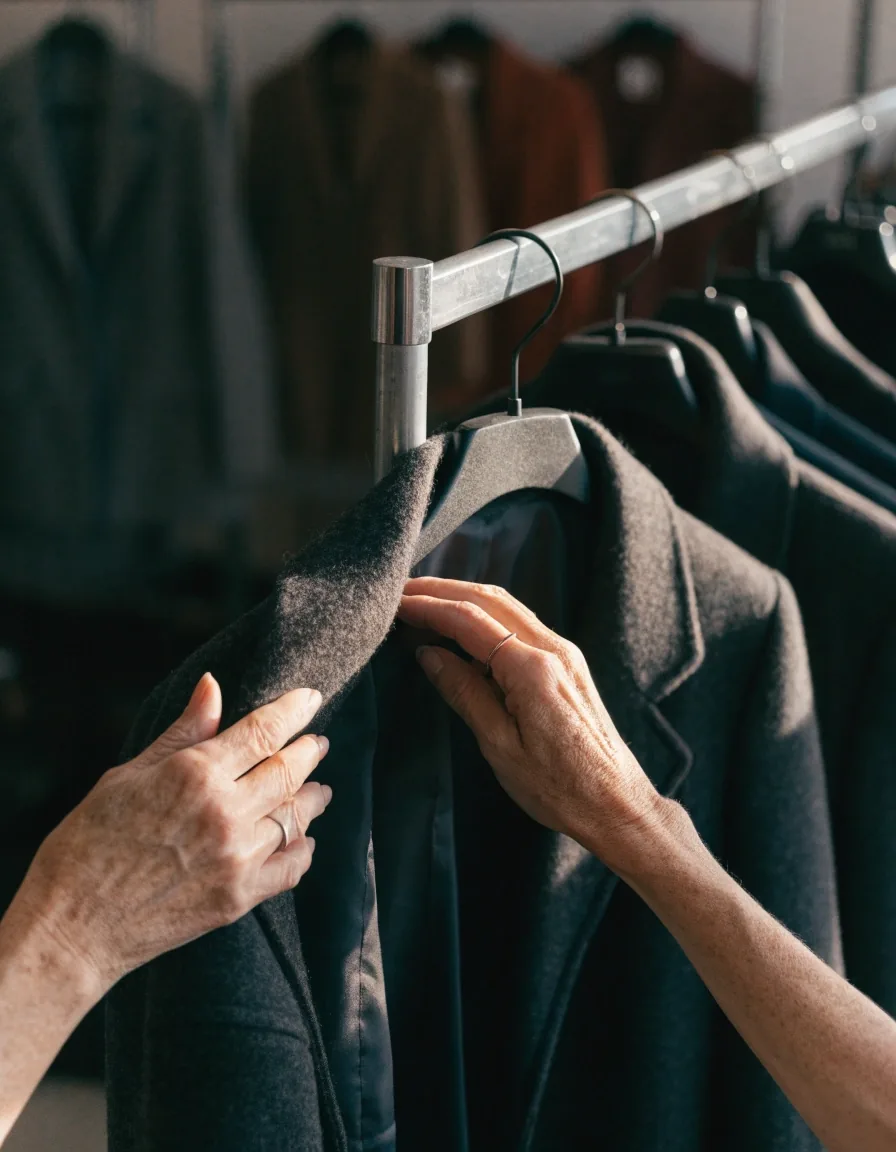
For some wardrobes, secondhand is the smartest route to quality. A piece from a luxury house at a resale price can outperform a new piece at the same cost, especially in outerwear and tailoring where construction is visible in how the garment hangs and moves.
Size and proportions first
Measurements matter more than the size on the label, since sizing shifts by house and by decade. If you know your shoulder, sleeve, and length numbers, you can buy with confidence from a listing photo.
The tradeoff is availability
The right piece in your size may not be listed this week. Resale rewards waiting rather than browsing, and alerts on a saved search beat scrolling a feed every evening.
Price the fix into the total
A re-lined coat or a replaced zip changes the real cost of a purchase. Ask a tailor what a fix would run before you decide the listing is a good deal.
Selling: what to expect
Selling on resale means accepting that value drops the moment a piece leaves the store. Payouts depend on the brand, the condition, and what buyers are looking for right now. Timing matters too: a piece from a house in a strong moment sells faster than one from a house in a quiet season.
Consignment and direct sale models differ in how much control you keep and how long it takes to get paid. Neither is inherently better. It comes down to how much effort you want to put in and how quickly you need the piece gone.
Before you list anything
Photograph the flaws, not just the front. Clear pictures of wear protect you in a dispute and usually sell a piece faster than polished shots that hide the problem. Include the original dust bag and any paperwork if you still have them.
How resale reflects trend cycles
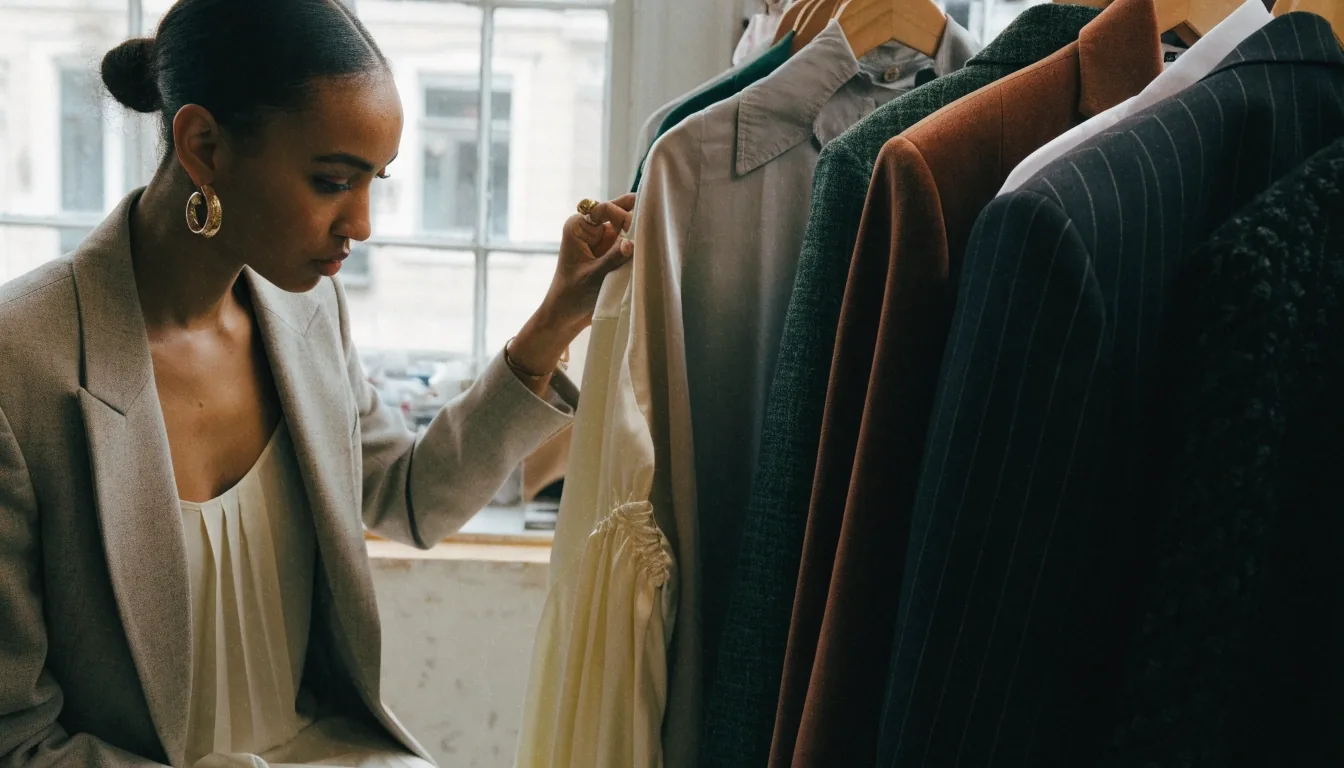
What appears on the runway eventually reaches the secondhand market, and what sells there tells you which trends had staying power. When a styling mood resurfaces, demand for period-appropriate pieces tends to follow, as with the nineties glamour linked to Dolce & Gabbana in 2026 coverage.
Watching resale is a useful reality check on trend reporting. It shows what people keep, wear, and pay for after the season ends, which is a different picture from what gets photographed in the first weeks of a release.
Questions readers ask
Short answers to the things that come up most often when people start buying or selling secondhand luxury.
Does a higher price at retail mean a stronger resale value?
Not on its own. What you paid at the counter reflects the house, the season, and the market at that moment. Resale value follows current demand for the piece, which can run ahead of or behind the original price.
Should I only buy from platforms that authenticate?
Prefer sources with a clear authentication process and a return window, and still learn the markers for the brands you wear. Authentication reduces risk; it does not remove the need to read the listing carefully.
Is a lower condition grade always a worse purchase?
No. A grade reflects visible wear, and wear in a hidden area rarely affects how a piece performs. The question is whether the specific flaw changes how the garment wears or how it looks in the places people see.
How much time should I expect to spend finding the right piece?
It depends on how specific you are. A well-known model in a common size can appear within days; a particular cut from a quiet season can take months. Saved searches and alerts do most of the waiting for you.
Does buying secondhand replace the need to think about how much I buy?
No. Keeping clothes in use is the benefit, and buying more than you wear works against it whether the pieces are new or secondhand. The volume of a wardrobe matters as much as where it came from.
Start with the brands you already wear
Resale is easier to learn one house at a time. Read the brand profiles for how each label prices and holds value, or get wardrobe guidance if you would rather plan around what you own first.
Strongsville Roofing · 452 W Broadway, New York, NY 10012 · +1-212-555-0198 · Monday–Friday, 9:00 AM – 6:00 PM
Where to go next
Value and authenticity are easier to judge once you know how a specific house behaves. Start with the labels already in your wardrobe, then check how the current season is actually selling before you commit.